The Console Wars Are Over. Nobody Won.
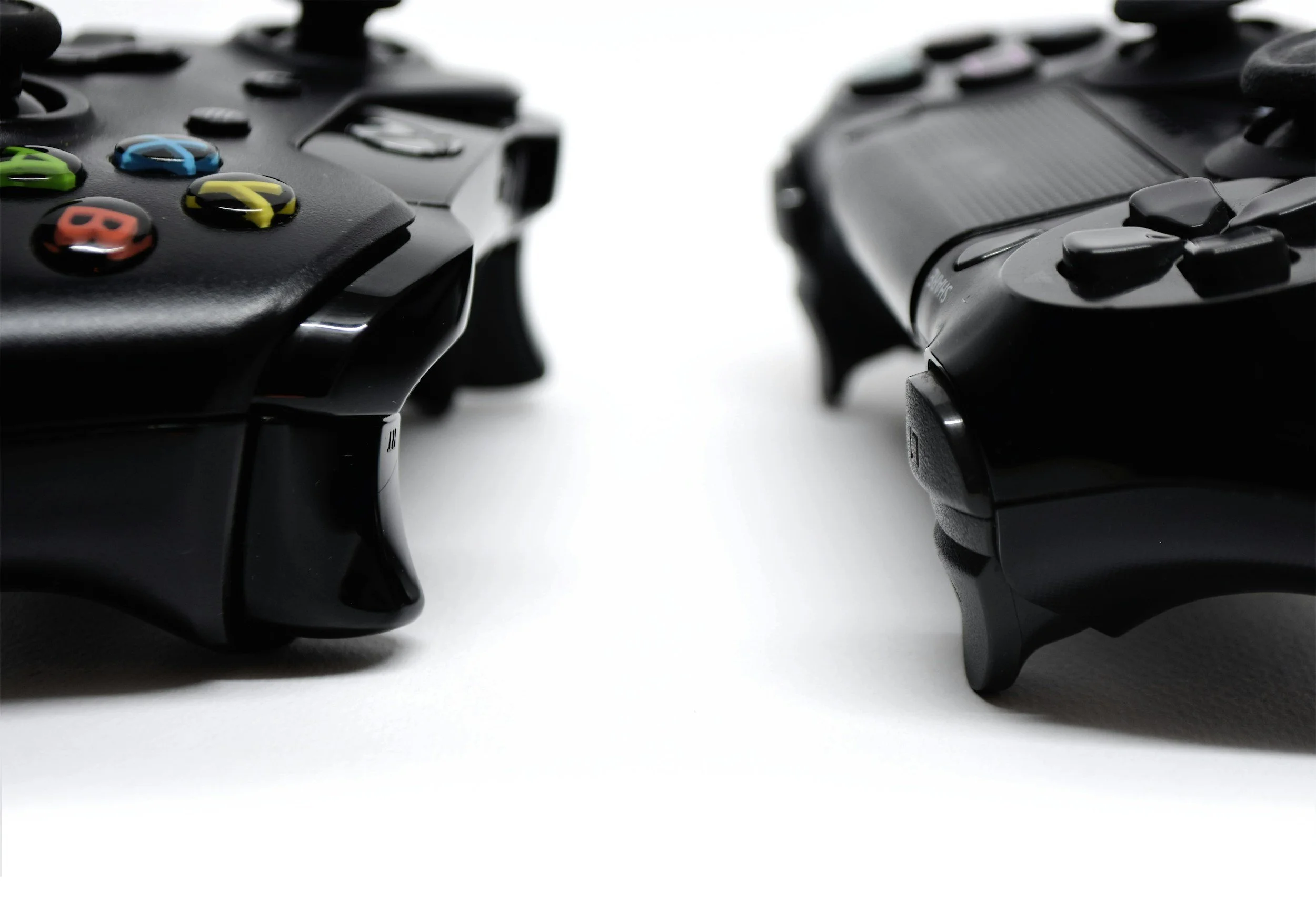
Console wars used to be the definig argument in gaming culture. I suppose it still is, kind of, but it’s way different now. For most of that time frame, it was primarily Playstation v Xbox fanboys, comparing exclusives, spouting out hardware specs that they didn’t really understand, and sales figures as if they were on the executive teams at Sony & Microsoft bragging about a bonus check (weird stuff, tbh). Every console launch was a battle. Every sales report was a scoreboard. People had genuinely strong feelings about which rectangle under their TV defined their identity as a gamer.
Now, those arguments are all but over. At least the way that they were. If you're looking for a winner, you're going to be disappointed — because the only thing that actually won was the subscription model, and it's currently raising prices on everyone regardless of which side they were on.
How We Got Here
PlayStation won the hardware war (relative to Xbox at least). That part's pretty settled. The PS5 outsold the Xbox Series X by a margin that's difficult to spin in Microsoft's favor. What’s wild is that while Playstation’s exclusive strategy (even in a timed window, though they are walking that back) seems to work, the numbers paint a different picture. Yes, Spider-Man, God of War, The Last of Us sell units like crazy. None of those crack the top 5. Grand Theft Auto, Red Dead, Minecraft, Call of Duty. It’s the 3rd party super titles that drive revenue and sales on the Playstation side (the story is basically the same on Xbox, to be fair). Most gamers are simply still playing the next call of duty, madden, fifa, fortnite. I won’t go on a tangent on the whole “ball & gun gamer” thing. But that starts to paint a picture.
Microsoft went a different direction. Game Pass was a risky pivot — instead of competing exclusive-for-exclusive, they decided to compete on value and accessibility. Day one releases on subscription, play on console or PC or phone, no platform loyalty required. It's a different game entirely, and for a certain kind of gamer it won completely. It took a while, but Game Pass is finally profitable so the gamble is working for now.
Nintendo is almost an entirely different beast. By all accounts, they’re the real “winner.” Gaming for the whole family, as it turns out, is insanely profitable. But you don't really compare a Nintendo console to a PlayStation any more than you compare a fishing rod to a tennis racket — they're both sports equipment and that's roughly where the similarity ends.
PC gaming absorbs the rest. A chunk of the Xbox audience migrated to PC because Game Pass works there too, and once you're on PC the platform war is more or less irrelevant. Steam has everything. You win by default (kind of).
The Reality
Here's where it gets interesting. While the hardware war wound down, a quieter and more expensive war started — and this one affects every gamer regardless of platform allegiance.
PlayStation Plus just announced another price increase, effective May 20, 2026, bumping the Essential tier to $10.99 per month in the US. This isn't the first time either — PS Plus already saw a significant price hike in 2023 when subscriptions increased by around 35%. Sony's official explanation is "ongoing market conditions," which in 2026 is doing a lot of work as a phrase.
What's actually driving it is a combination of things — rising server infrastructure costs, increasingly expensive first-party game development, and the creeping reality that AI integration across gaming pipelines isn't cheap. Building, training, and running AI systems at scale costs real money in compute and infrastructure, and those costs are landing somewhere. They're landing on your subscription bill (amongst a myriad of other places).
Meanwhile Microsoft is simultaneously cutting Game Pass prices, which sounds like good news but is really just a different strategy for the same war — acquire subscribers now, figure out the economics later. At some point the music stops on that one too. Hell, it literally was how they won gamers over in the first place, so you’ll have to excuse me if I don’t pat Microsoft on the back for this temporary scale back in price.
The uncomfortable truth is that the subscription model, which was sold to gamers as a better deal than buying individual games, is revealing its actual shape. Prices go up. Libraries rotate. Games you thought you had access to disappear. The value proposition that felt obvious three years ago requires more squinting now. I think a lot of gamers do actually realize this, but the convenience of not paying “full price” right away makes it feel better than it is.
What Gaming Actually Looks Like Now
The console wars implied a zero-sum competition — one platform wins, the others lose. What actually happened is that gaming expanded into too many places for any single winner to make sense.
You have a PlayStation person who also has Game Pass on PC for the exclusives they'd otherwise miss. A Nintendo household that has a gaming PC for everything else. Someone who primarily games on their phone and occasionally touches a console for one or two titles a year. A person who bought an Xbox at launch and has since migrated entirely to PC because the library is identical and the hardware is upgradeable.
Subscriptions are everywhere and not just in the gaming space. Chord cutting that promised one place to see all your things has fragmented right back to the insane cable packages of yore. Gaming is just about in a similar place too.
So Who Actually Lost?
The gamer, a little bit. Not catastrophically, but genuinely.
The competition that was supposed to drive quality and keep prices in check has been replaced by platform lock-in and subscription dependency. You don't own most of what you play anymore — you're renting access to a rotating library that costs more every year. The hardware is more expensive. The games are more expensive. The subscriptions are more expensive. And the "ongoing market conditions" driving all of it aren't going anywhere.
The console wars were annoying and tribal and mostly pointless. But at least the competition kept both sides trying to outdo each other with actual games.
What replaced it is a little harder to root for.